


Pickleball Court Installation Wilmington NC: Coastal Planning, Surfaces & Standards
A successful Pickleball Court Installation Wilmington NC project starts with more than choosing colors and marking lines. In Eastern North Carolina, a court needs the right dimensions, drainage strategy, surface system, and maintenance plan to handle coastal humidity, summer heat, heavy rain, and frequent outdoor play.
Pickleball has become a go-to sport for neighborhoods, private homes, clubs, schools, and recreation facilities because it is social, approachable, and active without requiring a large footprint. But while the court may be smaller than a tennis court, the construction details are highly specific.
A properly built pickleball court should offer consistent bounce, dependable traction, safe run-off space, and a surface that resists premature cracking, fading, algae growth, and water damage. Ace Coatings NC East evaluates these details together because a court’s long-term performance depends on how well the base, coatings, layout, and environment work as one system.
Planning Pickleball Court Installation Wilmington NC for Coastal Conditions
Wilmington’s climate is one of the biggest reasons outdoor pickleball is so appealing. Mild seasons and active communities make year-round play realistic. At the same time, coastal construction comes with challenges that should be addressed before the first layer of material is installed.
Humidity, salt air, intense UV exposure, and seasonal storms can all affect court life. If a surface is not properly prepared, moisture can become trapped beneath coatings and lead to blistering, peeling, mildew, or early wear. If the court is not sloped correctly, standing water can create slick areas and shorten the life of the acrylic system.
Before construction begins, the site should be reviewed for:
Available space and orientation
Sun exposure and glare
Drainage direction
Soil stability
Property setbacks
Nearby homes or noise-sensitive areas
Fence and gate placement
Lighting needs
Access for construction equipment
A regulation pickleball court measures 20 feet wide by 44 feet long, but the playing lines are only part of the space requirement. For safer movement, a complete court area is commonly planned at about 30 feet by 60 feet. This gives players room to move beyond the baselines and sidelines without running into fencing, walls, benches, or landscaping.
For competitive or high-use courts, more space is often better. Extra run-off room improves comfort, reduces collision risk, and makes the court feel less cramped during fast rallies.
Site Layout for Pickleball Court Installation Wilmington NC
A strong layout should support both playability and daily use. For private backyards, that may mean positioning the court away from bedrooms, patios, or neighboring property lines. For HOAs, schools, or recreation facilities, it may mean planning for walkways, seating, shade, and multiple players entering and leaving the area throughout the day.
Court orientation also matters. A north-south layout is often preferred because it can reduce direct sun glare during morning and evening play. While every property is different, glare should always be considered during site planning.
Permitting and local requirements should also be reviewed early. Depending on the property, rules may affect:
Impervious surface limits
Stormwater management
Fence height
Lighting placement
Noise control
Property line setbacks
Accessibility requirements
Taking time to address these details at the planning stage can prevent expensive changes later.
Surface Systems for Pickleball Court Installation Wilmington NC
The surface system determines how the court feels, how the ball responds, and how well the installation holds up over time. A generic concrete slab or basic exterior paint will not deliver the same performance as a properly built athletic court system.
Most outdoor pickleball courts use either asphalt or concrete as the base. Concrete is often chosen for long-term stability, especially when properly reinforced and finished. Post-tensioned concrete can be a premium option because it helps reduce structural cracking by using tensioned steel cables within the slab.
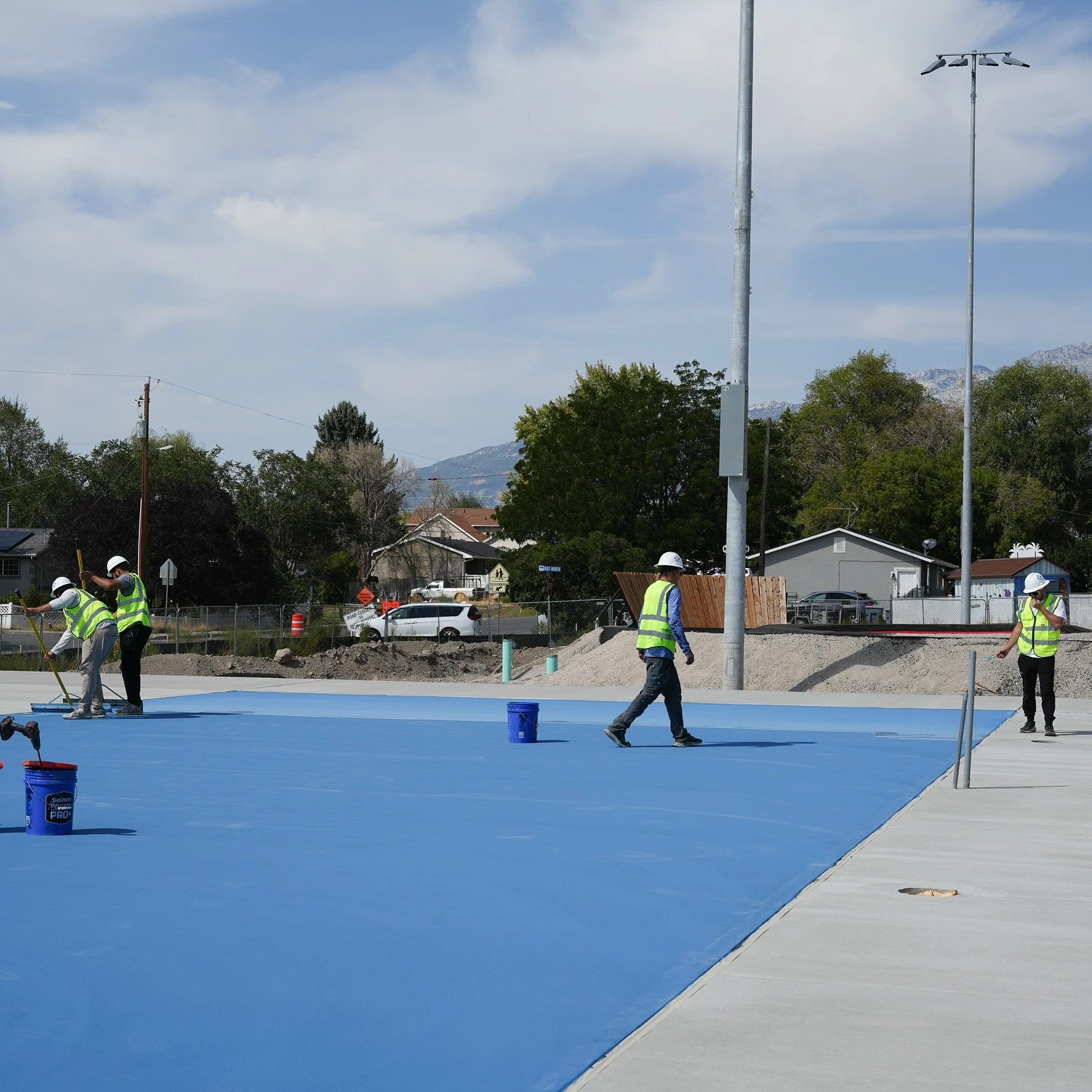
Once the base is ready, the acrylic coating system creates the playable surface. These coatings are designed specifically for sports use. They provide color, traction, weather resistance, and consistent ball response.
A typical acrylic court system may include:
Surface cleaning and preparation
Crack repair or patching where needed
Acrylic resurfacer
Textured color coats
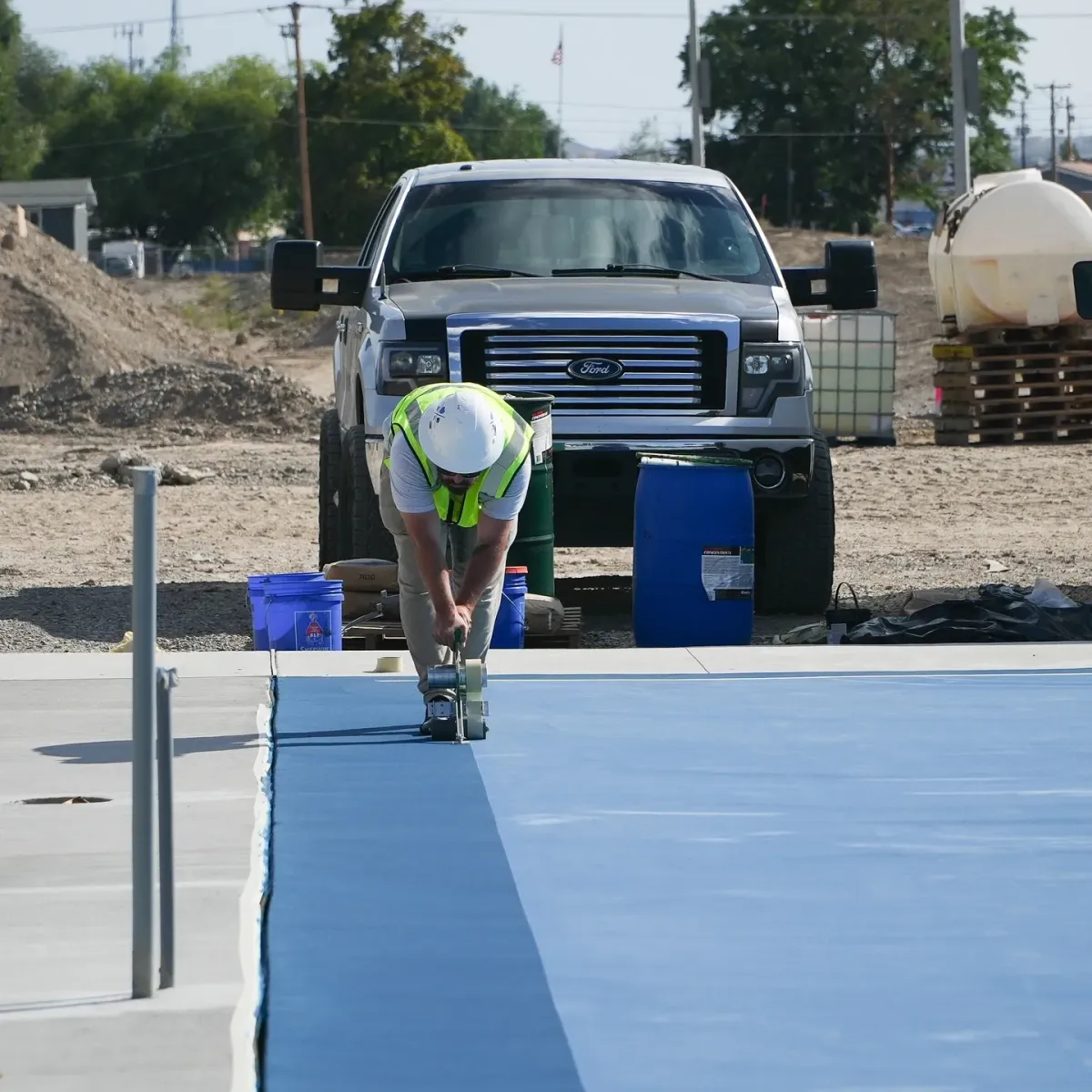
Precision line striping
Optional cushion layers
The texture of the surface is especially important. Fine aggregate is blended into the acrylic coatings to create controlled traction. A court that is too smooth can become slippery, especially in humid or damp conditions. A court that is too rough can be uncomfortable, slow the game, and increase wear on shoes and balls.
Coastal Coatings for Pickleball Court Installation Wilmington NC
In coastal areas, coating selection matters. Breathable acrylic systems are often preferred because they allow moisture vapor to escape while still protecting the surface. This helps reduce the risk of bubbling or peeling caused by trapped moisture.
UV resistance is also important. North Carolina summers can be hard on outdoor surfaces, and lower-quality coatings may fade, chalk, or lose texture faster. A quality acrylic system helps preserve color contrast, which makes lines easier to see and improves the overall playing experience.
Players may also want to consider cushioned surfacing. Cushioned pickleball court systems include rubberized layers beneath the color coats. These layers can reduce impact on knees, ankles, hips, and lower backs, which can be valuable for frequent players, senior communities, and facilities with heavy daily use.
Hard courts remain a strong option for players who prefer a faster, more traditional bounce. Cushioned courts add comfort but may slightly change how the surface feels. The right choice depends on who will use the court, how often it will be played, and how much comfort matters compared with budget.
For official dimensions and rule guidance, facility owners should review standards from USA Pickleball before finalizing layout, striping, and equipment.
Long-Term Care for Pickleball Court Installation Wilmington NC
A well-built court still needs consistent maintenance. In humid coastal regions, debris and moisture can create algae, mildew, and staining if the surface is neglected. Pine needles, leaves, dirt, and pollen can also trap moisture and reduce traction.
Basic maintenance should include:
Sweeping or blowing off debris regularly
Washing the surface with mild cleaner when needed
Keeping drains and edges clear
Removing organic growth early
Inspecting high-wear areas near baselines
Checking for puddles after heavy rain
Addressing cracks before they spread
Standing water is one of the clearest signs that a court may need attention. Low spots, often called birdbaths, can hold water after rain and create slippery areas. If left untreated, these spots may accelerate coating wear and affect ball bounce.
For older courts, resurfacing can restore color, texture, and playability. Resurfacing may include cleaning, crack repair, patching, acrylic resurfacer, new color coats, and fresh lines. Ace Coatings NC East helps property owners determine whether a court needs basic maintenance, targeted repairs, resurfacing, or a more complete rebuild.
Budgeting Pickleball Court Installation Wilmington NC
The cost of a pickleball court depends on the condition of the site and the level of finish desired. A new backyard court built from the ground up will cost more than resurfacing an existing slab or converting an old tennis court. Features like fencing, lighting, drainage systems, cushioned coatings, and landscaping can also affect the final budget.
Common cost factors include:
Site clearing and grading
Base construction or repair
Drainage improvements
Acrylic or cushioned surfacing
Fence height and materials
Permanent or portable net systems
Lighting installation
Noise reduction features
Number of courts being built
Noise should be considered early, especially in residential neighborhoods. Pickleball has a sharper sound than tennis because of the plastic ball and paddle contact. Thoughtful court placement, windscreen material, landscaping, and acoustic panels can help reduce sound concerns.
Court conversions are another practical option. If a property already has an aging tennis court, that space may be suitable for pickleball. A single tennis court can often be converted into multiple pickleball courts, depending on the available surface area and desired safety spacing. This can be a cost-effective way to bring new life to an underused facility.
The best results come from planning the court as a complete athletic surface rather than a simple construction project. Proper slope, drainage, surfacing, fencing, and maintenance all contribute to how the court performs over time.
A dedicated pickleball court can add lasting value to a home, club, school, or community property. When built with coastal conditions in mind, it offers a safe, attractive, and enjoyable space for exercise, competition, and connection.
Contact Ace Coatings NC East to discuss your court plans, ask questions about surface options, or schedule a site review. Their team can help you understand what your space needs and recommend practical next steps based on your goals, budget, and playing conditions.
