


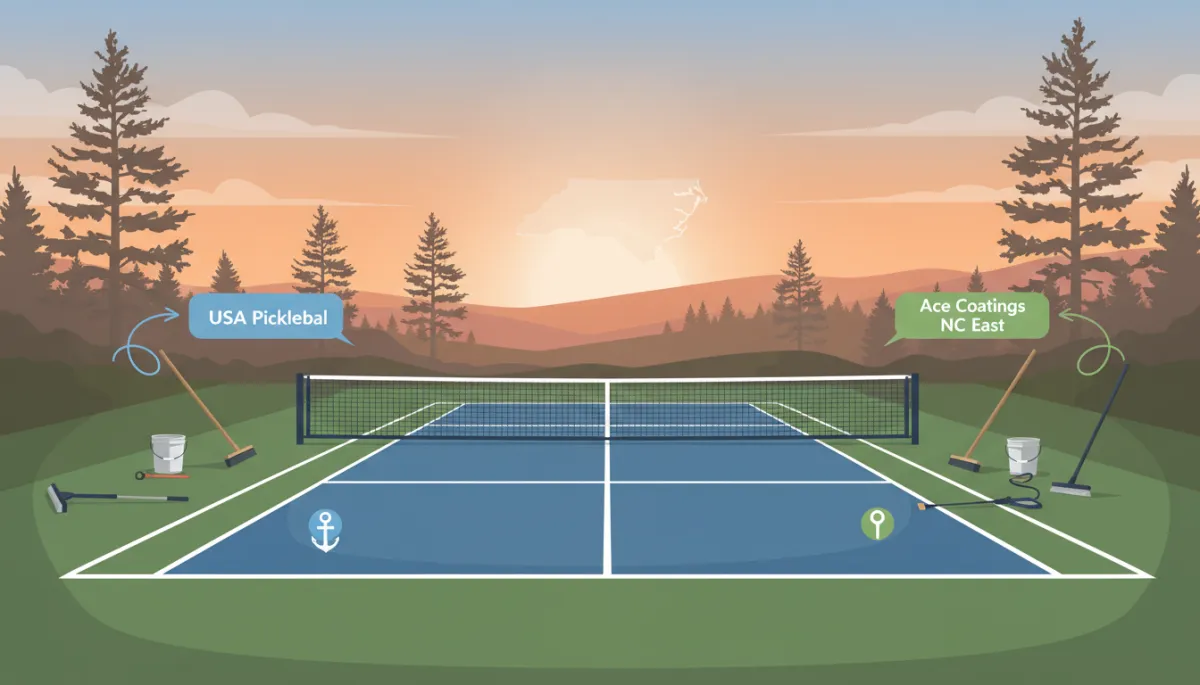
Pickleball Court Maintenance Tips in North Carolina
Pickleball, Court Maintenance, North Carolina
Essential Maintenance Tips for Pickleball Courts in North Carolina
Well-maintained pickleball courts not only look better, they also play safer and last longer. From the coastal humidity of Wilmington to the cooler mountain air in Asheville, North Carolina’s varied climate puts unique stress on outdoor courts. With a consistent maintenance plan, you can protect your investment and keep players coming back season after season.
Understand How North Carolina’s Climate Affects Your Court
North Carolina courts face a tough mix of conditions: hot, humid summers, freeze–thaw cycles in the winter, heavy rain, and strong UV exposure. These factors can cause:
Surface fading and chalkiness from intense sunlight
Hairline cracks from temperature swings and moisture intrusion
Algae, mold, and mildew growth in shaded or poorly drained areas
Recognizing these risks helps you prioritize maintenance tasks and schedule them around the seasons for the best results.
Keep the Surface Clean with a Simple Routine
Regular cleaning is the easiest way to extend the life of your pickleball court. Aim for a light cleaning weekly during peak play and at least monthly in the off-season:
Use a soft-bristle broom or leaf blower to remove leaves, pine needles, sand, and acorns that can act like sandpaper underfoot.
Rinse the surface with low-pressure water to clear dust and pollen, especially after spring blooms or nearby landscaping work.
Spot clean stains with a mild detergent solution and a soft brush; avoid harsh chemicals that can break down acrylic coatings.
💡 Pro Tip: Schedule a quick walk-through after storms to clear debris before it grinds into the surface or clogs drains.
Manage Water, Drainage, and Shaded Areas
Standing water is one of the biggest threats to pickleball courts in a humid state like North Carolina. Puddles accelerate coating breakdown and create slippery, unsafe conditions. To protect your court:
Clear drains, swales, and nearby gutters regularly so water can move away from the playing surface quickly.
After heavy rain, use a soft squeegee to remove stubborn puddles and help the court dry evenly.
Treat algae or mildew promptly with court-safe cleaners, particularly in shaded corners or areas near trees and fences.
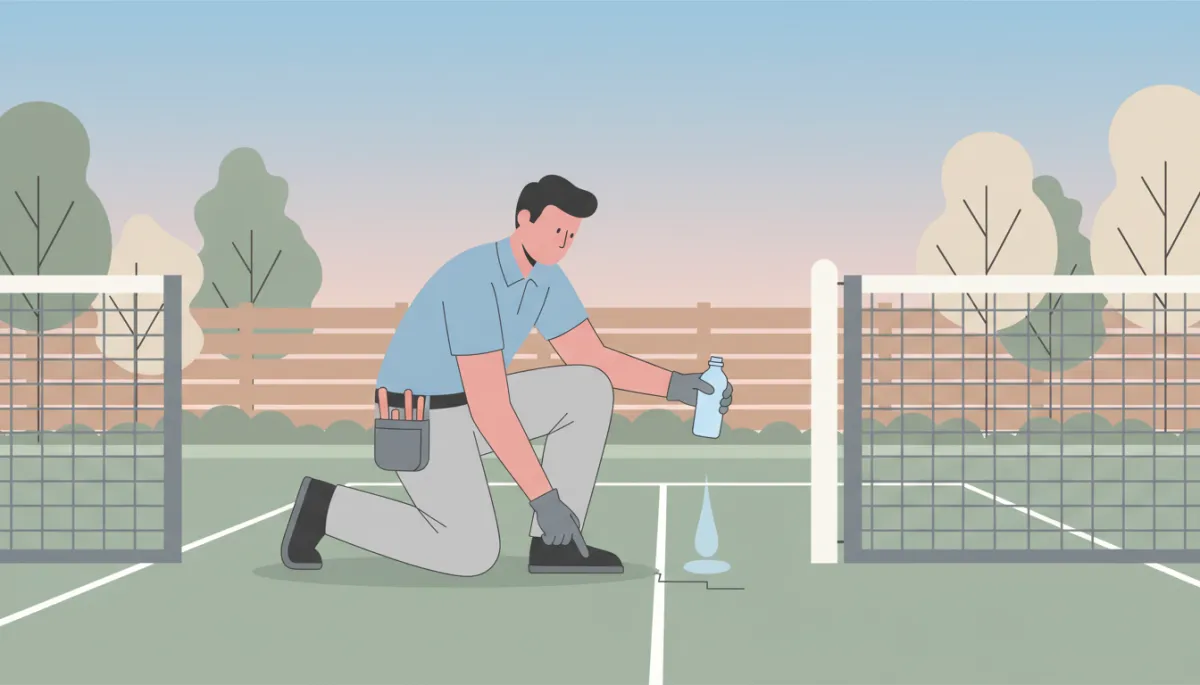
Routine inspections catch small surface issues early, reducing long-term repair costs.
Inspect for Cracks, Low Spots, and Fading
At least twice a year—typically early spring and late fall—walk each court slowly and look for developing problems. Note:
Hairline cracks along joints or where water tends to sit
Low spots that hold water more than a few minutes after rain
Faded color, worn texture, or peeling lines that affect ball bounce and player footing
Addressing these issues early with professional crack repair and resurfacing will significantly extend your court’s lifespan and keep play consistent for leagues and tournaments.
Protect the Court with Smart Usage Policies
Simple rules for players and visitors can dramatically reduce wear and tear. Post clear signage and communicate expectations such as:
Court-only, non-marking athletic shoes—no cleats, boots, or high heels.
No dragging benches, ball machines, or metal equipment across the surface.
Keep food, glass bottles, and chairs off the court to prevent stains and gouges.
Plan for Resurfacing and Professional Support
Even with excellent day-to-day care, most outdoor pickleball courts in North Carolina need resurfacing every 4–8 years, depending on usage and exposure. Following construction and maintenance guidance from USA Pickleball and partnering with experienced local professionals ensures that coatings, colors, and line layouts meet current standards.
When you notice widespread fading, persistent puddles, or growing cracks, it is time to schedule an expert evaluation. For facilities in eastern North Carolina, you can reach out to Ace Coatings NC East to discuss inspection, repair, and resurfacing options tailored to your courts and budget.
A Simple Seasonal Checklist for North Carolina Facilities
Spring: Deep clean, inspect for winter damage, repair cracks, refresh court accessories.
Summer: Increase sweeping and rinsing, monitor for UV fading and heavy-use wear.
Fall: Clear leaves frequently, check drainage before winter rains, schedule any needed repairs.
Winter: Avoid play on icy surfaces, keep debris off the court, and watch for new cracking after freeze–thaw events.
With a thoughtful maintenance plan tailored to North Carolina’s climate, your pickleball courts can remain safe, attractive, and high-performing for many years—supporting vibrant play for your community, club, or school.
