



Kitchen in Pickleball: Rules, Strategy & Common Faults
If you’ve played even a few games, you’ve probably heard someone shout, “Watch the kitchen!” The kitchen in pickleball is one of the sport’s most important — and most misunderstood — areas of the court. Officially called the Non-Volley Zone (NVZ), this 7-foot area near the net prevents players from smashing volleys directly at the net, which keeps the game fair, strategic, and accessible to players of all skill levels.
According to the official rulebook published by USA Pickleball, the kitchen exists to prevent dominant net play and encourage longer rallies built on skill and precision rather than raw power. Understanding how this zone works will instantly improve your game and help you avoid the most common faults beginners make.
For players practicing on well-built courts, such as those installed by professionals like Ace Coatings NC East, learning the kitchen becomes much easier because clear court lines and quality surfaces make rule awareness more intuitive during play.
Let’s break down exactly how the kitchen works — and how you can use it to your advantage.
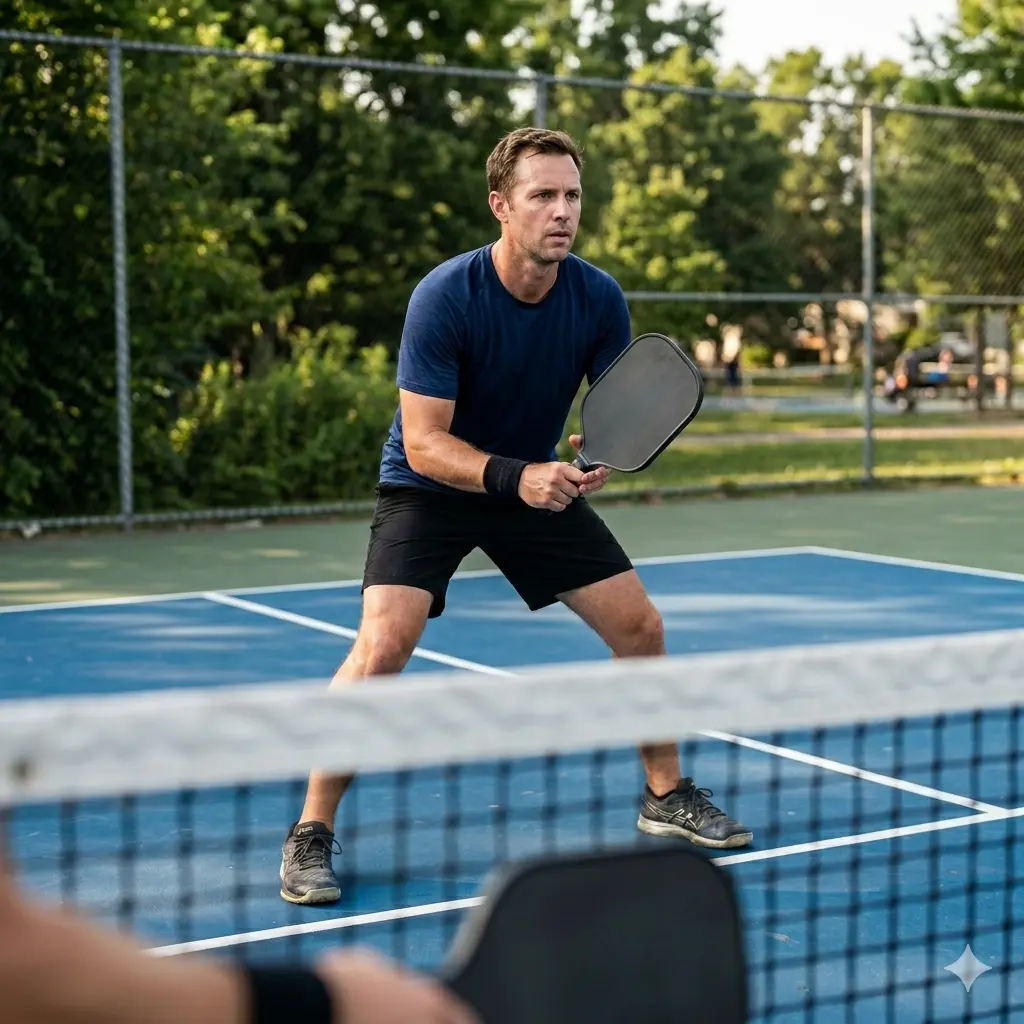
Kitchen in Pickleball: What the Non-Volley Zone Really Means
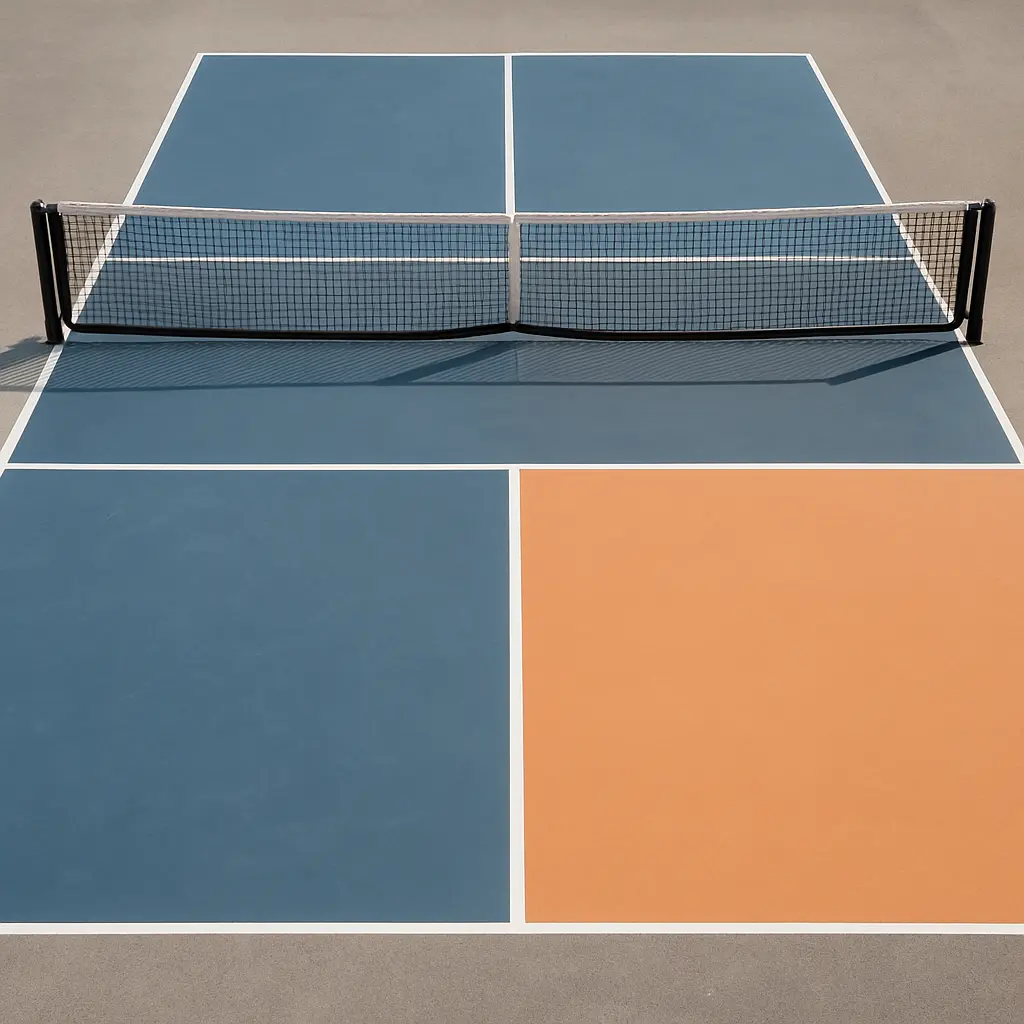
The kitchen stretches 7 feet from the net on both sides of the court, running sideline to sideline. While the official name is the Non-Volley Zone, players everywhere simply call it the kitchen.
The purpose is simple: you cannot volley the ball while standing in this zone.
A volley means hitting the ball out of the air before it bounces. Without this rule, taller players could dominate by standing directly at the net and smashing every shot downward. The kitchen prevents that and forces players to develop finesse and strategy.
Kitchen in pickleball dimensions and boundaries
The kitchen’s measurements are standard across all pickleball courts:
7 feet from the net on each side
Extends the full width of the court
Includes the boundary line as part of the zone
That last detail is critical. If your foot touches the line during a volley, it counts as being inside the kitchen and results in a fault.
This is why professional court builders like Ace Coatings NC East prioritize accurate line markings and high-quality coatings. Properly defined boundaries help players clearly see where the kitchen begins and avoid accidental violations.
Kitchen in Pickleball Rules Every Player Should Know
Understanding the rules of the kitchen will instantly make you a smarter player. Many faults happen simply because players don’t realize how strict the rules actually are.
Here are the most important guidelines to remember:
You cannot volley while standing in the kitchen
You cannot touch the kitchen line during a volley
You cannot step into the kitchen because of momentum after volleying
You can enter the kitchen if the ball bounces first
These rules may sound simple, but they create one of the most strategic aspects of pickleball.
Kitchen in pickleball volley rule explained
The key rule is straightforward: no volleying inside the kitchen.
If the ball is still in the air and you hit it before it bounces, both feet must be completely outside the Non-Volley Zone.
But the rule goes even further.
Even if you volley from outside the zone, you still commit a fault if your momentum carries you into the kitchen afterward. That means the swing and follow-through count as part of the play.
For example:
You volley from behind the line
Your momentum carries your foot into the kitchen
Even if the ball lands successfully, the point is lost
This rule ensures that players maintain balance and control instead of lunging aggressively toward the net.
Kitchen in Pickleball Strategy: How Skilled Players Use It
Once you understand the rules, the kitchen becomes one of the most strategic areas on the court.
Experienced players know that controlling the kitchen line often decides the point.
Instead of staying at the baseline, advanced players move up and position themselves just behind the kitchen line. From there, they limit their opponent’s angles and force defensive shots.
Kitchen in pickleball dink strategy for better control
One of the most important skills in pickleball is the dink shot — a soft shot that lands inside your opponent’s kitchen.
Dinking creates slow, controlled rallies near the net. The goal is to force your opponent to lift the ball too high, giving you the opportunity for an attack.
Benefits of the dink strategy include:
Neutralizing powerful hitters
Controlling the pace of the rally
Creating opportunities for winning shots
High-quality court surfaces also help with this style of play. Smooth, textured coatings installed by specialists like Ace Coatings NC East provide the predictable ball bounce needed for precise soft shots.
Common Kitchen Mistakes Beginners Make
Even players who know the rules still commit kitchen faults regularly. Most mistakes come from footwork and momentum.
Here are the most common errors:
1. Standing too close to the line
Many beginners stand directly on the kitchen line, which increases the risk of accidental faults. Instead, maintain a small buffer behind the line.
2. Lunging forward during volleys
Aggressive forward movement often causes players to step into the kitchen after a volley.
3. Forgetting the momentum rule
Even if your shot is perfect, stepping into the kitchen afterward still counts as a fault.
Practicing balance and controlled footwork is the best way to eliminate these mistakes.
Simple Drills to Master Kitchen Control
If you want to become comfortable near the kitchen line, practice drills that build balance and awareness.
Two-Inch Safety Drill
Place tape about two inches behind the kitchen line and practice volleys without crossing it. This creates a safe buffer during real games.
Freeze After the Volley
After hitting every volley, freeze for two seconds. This helps you recognize whether momentum carries you forward.
Dink Control Practice
Stand at the kitchen line with a partner and exchange slow dink shots. Focus on placement and patience rather than power.
With repetition, your body will naturally learn to stop before stepping into the kitchen.
Mastering the Kitchen in Pickleball
At first, the kitchen might feel like a confusing restriction. But once you understand how it works, it becomes one of the most exciting and strategic parts of pickleball.
Mastering the kitchen means:
Staying balanced behind the line
Recognizing when you can step in after a bounce
Controlling the net with smart dinks and volleys
Whether you're playing casually or improving your competitive skills, learning how to use the kitchen properly will instantly elevate your game.
And if you’re practicing on a professionally built court, the experience becomes even better. Quality court construction and precise line work — like those provided by Ace Coatings NC East — ensure every rally is played on a surface designed for performance and consistency.
Ready to Build a Pickleball Court?
A well-designed court makes learning and enjoying the game far easier. If you're considering installing or resurfacing a pickleball court for your home, school, or community, working with experienced professionals can make all the difference.
Contact us at Ace Coatings NC East today to learn more about professional pickleball court construction, resurfacing, and coating services. Your perfect court could be just one project away.
