

How Much Does It Cost to Resurface a Court?
If your tennis, basketball, or pickleball court is faded, slick, cracked, or holding water after storms, the first question is usually simple: How Much Does It Cost to Resurface a Court? For many properties, court resurfacing can range from several thousand dollars to well over $15,000, depending on the court size, surface condition, drainage issues, coating system, and whether the project includes repairs, color coating, striping, or sport conversions.
In eastern North Carolina, resurfacing is not just about improving appearance. Courts in this region deal with humidity, frequent rain, heat, tree debris, and occasional coastal weather events. Those conditions can accelerate surface wear, soften weak pavement areas, and expose drainage problems that may not be obvious until water starts standing on the court.
A quality resurface should restore safer traction, cleaner play lines, better ball response, and a more professional appearance. But the final price depends on what the court needs beneath the color coating. A court with light fading and minor surface wear is very different from one with structural cracks, low spots, peeling coatings, or drainage failure.
How Much Does It Cost to Resurface a Court in Eastern North Carolina?
Court resurfacing costs vary because every surface tells a different story. A basic acrylic resurface on a court in good condition may be relatively straightforward. A court with cracking, birdbaths, root pressure, drainage issues, or failing old coatings will require more preparation before new materials can be applied.
In general, the biggest cost factors include:
Court size and number of courts
Current surface condition
Crack repair needs
Low spots or standing water
Existing coating failure
Asphalt or concrete substrate
Standard vs. cushioned surfacing
Tennis, basketball, pickleball, or multi-sport striping
Net posts, fencing, windscreens, and accessories
Travel, scheduling, and material requirements
Many owners expect the color coating to be the main expense, but preparation often drives the quote. Power washing, crack filling, patching, leveling, priming, and surface cleaning all help determine whether the new system will bond properly and last.
This is especially important in eastern North Carolina, where moisture management matters. A court surrounded by trees, low-lying soil, or poor runoff may need more attention before resurfacing begins. If water remains on the court after rain, the coating system can wear unevenly, algae can develop, and small pavement issues can become larger repairs.
Ace Coatings NC East evaluates resurfacing from a sports-surface perspective, not just a paint-and-restripe perspective. That distinction matters because the goal is long-term playability, not a short-lived cosmetic improvement.
How Much Does It Cost to Resurface a Court With Standard Acrylic?
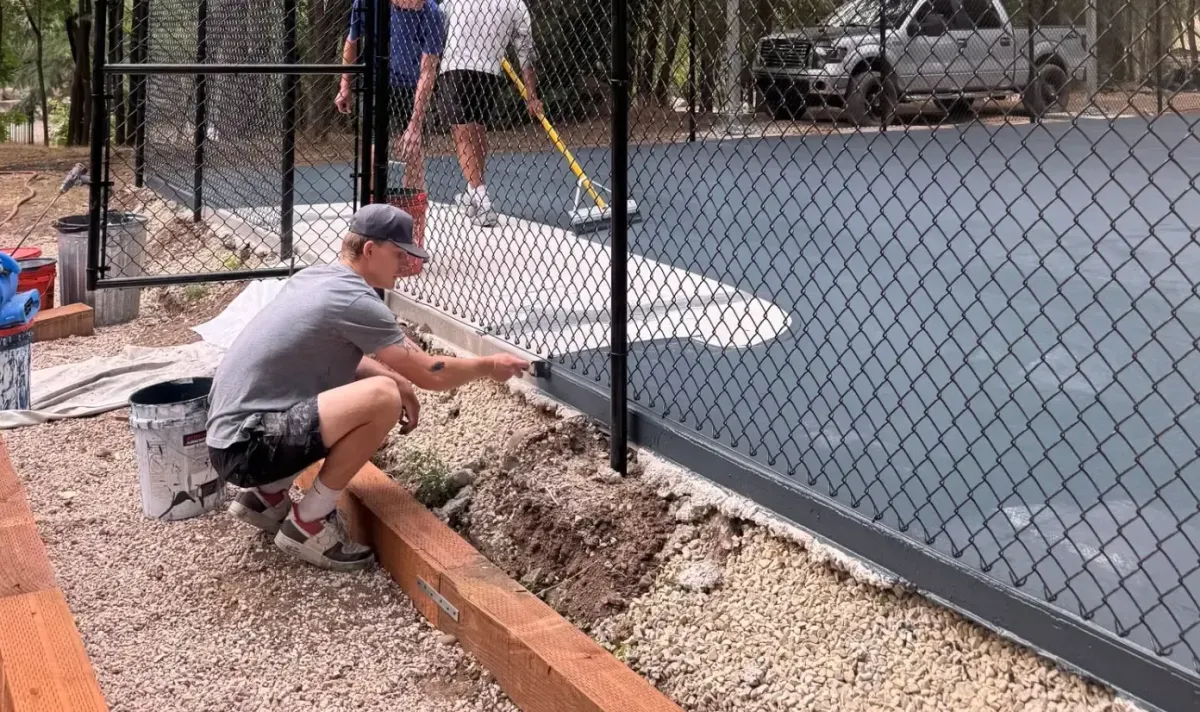
Standard acrylic resurfacing is one of the most common options for tennis, basketball, and pickleball courts. It typically includes cleaning the existing surface, repairing minor cracks, applying resurfacer coats, installing color coats, and painting game lines.
A professional acrylic system is not the same as ordinary paint. Court coatings are textured, sport-specific materials designed to provide traction, consistent ball bounce, and outdoor durability. The surface is usually applied in multiple layers using specialized squeegee techniques. Each layer has a purpose, from filling surface pores to building color depth and improving grip.
A standard resurfacing system may include:
Pressure washing and surface preparation
Crack cleaning and filling
Patching shallow depressions
Acrylic resurfacer application
Textured color coating
Precision line striping
Final inspection for coverage and playability
Costs increase when a court needs more crack repair or leveling. For example, shallow puddles, often called birdbaths, may require acrylic patching or leveling materials. These repairs are essential because standing water shortens coating life and can create slippery conditions.
For property managers, schools, HOAs, and private owners, standard acrylic resurfacing is often the best balance of cost, durability, and appearance when the underlying court is still structurally sound.
How Much Does It Cost to Resurface a Court When Cracks and Drainage Are Involved?
Cracks are one of the biggest reasons resurfacing quotes vary. Some cracks are cosmetic surface cracks. Others indicate movement beneath the court. The difference matters because surface cracks can often be cleaned and filled, while structural cracks may return even after repair if the base continues to move.
A useful way to evaluate cracks is to look for width, height difference, and pattern. Hairline cracks may be manageable. Wider cracks, raised edges, or spiderweb cracking can suggest deeper problems. If one side of the crack sits higher than the other, the court may have sub-base movement, root intrusion, or settlement.
Drainage issues can be just as important. A court should shed water efficiently. If water remains in the same area after rain, resurfacing alone may not solve the problem. Low areas may need leveling, and severe drainage problems may require more extensive correction.
Common repair items that affect cost include:
Crack routing and filling
Structural crack patching
Acrylic leveling for birdbaths
Removal of loose or peeling coatings
Surface grinding
Root-related pavement repairs
Drainage improvements around the court
Extra primer for concrete surfaces
Eastern North Carolina’s climate makes these details especially important. Humidity, rainfall, and shaded court areas can contribute to mildew, algae, and coating wear. Courts near trees may also collect leaves and organic debris, which can trap moisture on the surface.
A lower bid may be tempting, but if it skips preparation, the finished court may fail sooner. Resurfacing should always be priced around what the court actually needs, not just the square footage.
How Much Does It Cost to Resurface a Court With Cushioned Coatings?
Cushioned court systems cost more than standard acrylic surfaces because they include additional layers of rubberized material beneath the color coating. These layers help absorb impact, making the court more comfortable for frequent players and communities with a wide range of ages.
A cushioned system can be especially valuable for tennis and pickleball courts because both sports involve quick starts, stops, pivots, and lateral movement. While cushioning does not eliminate joint stress, it can create a more forgiving playing experience compared with a traditional hard court.
Cushioned surfacing may be a smart upgrade for:
Private residential courts used often
Active adult communities
Clubs and recreation facilities
HOA courts with regular play
Multi-generational family courts
Pickleball courts with frequent doubles play
The added cost comes from material and labor. More layers mean more application time, more curing time, and greater installation precision. The existing surface must also be stable enough to support the system. Cushioning will not fix major structural failure underneath the court.
This is where expert inspection matters. Ace Coatings NC East can help determine whether a cushioned system is a good fit or whether the budget is better spent on repairs, drainage correction, or a standard acrylic resurface.
How Much Does It Cost to Resurface a Court Compared With Rebuilding?
Resurfacing and rebuilding are not the same project. Resurfacing renews the existing court surface. Rebuilding addresses deeper structural failure, major pavement movement, severe drainage problems, or a base that is no longer stable.
A court may be a resurfacing candidate if:
Cracks are limited and repairable
The surface is mostly level
Drainage is manageable
The base is stable
Coatings are worn but not severely failing
The court still plays reasonably well
A rebuild may be needed if:
Large areas are sinking or heaving
Cracks are wide, raised, or widespread
Water does not drain properly
The pavement is breaking apart
Previous repairs have repeatedly failed
The court has major slope or base problems
Resurfacing is usually the more cost-effective option when the foundation is sound. Rebuilding costs more because it may involve demolition, grading, base reconstruction, asphalt or concrete installation, fencing adjustments, and a full new coating system.
That said, resurfacing a court that really needs rebuilding can waste money. The new surface may look good briefly, but the underlying problems will return. A trustworthy contractor should explain whether resurfacing is enough or whether deeper repairs are needed.
How Much Does It Cost to Resurface a Court for Pickleball or Multi-Sport Use?
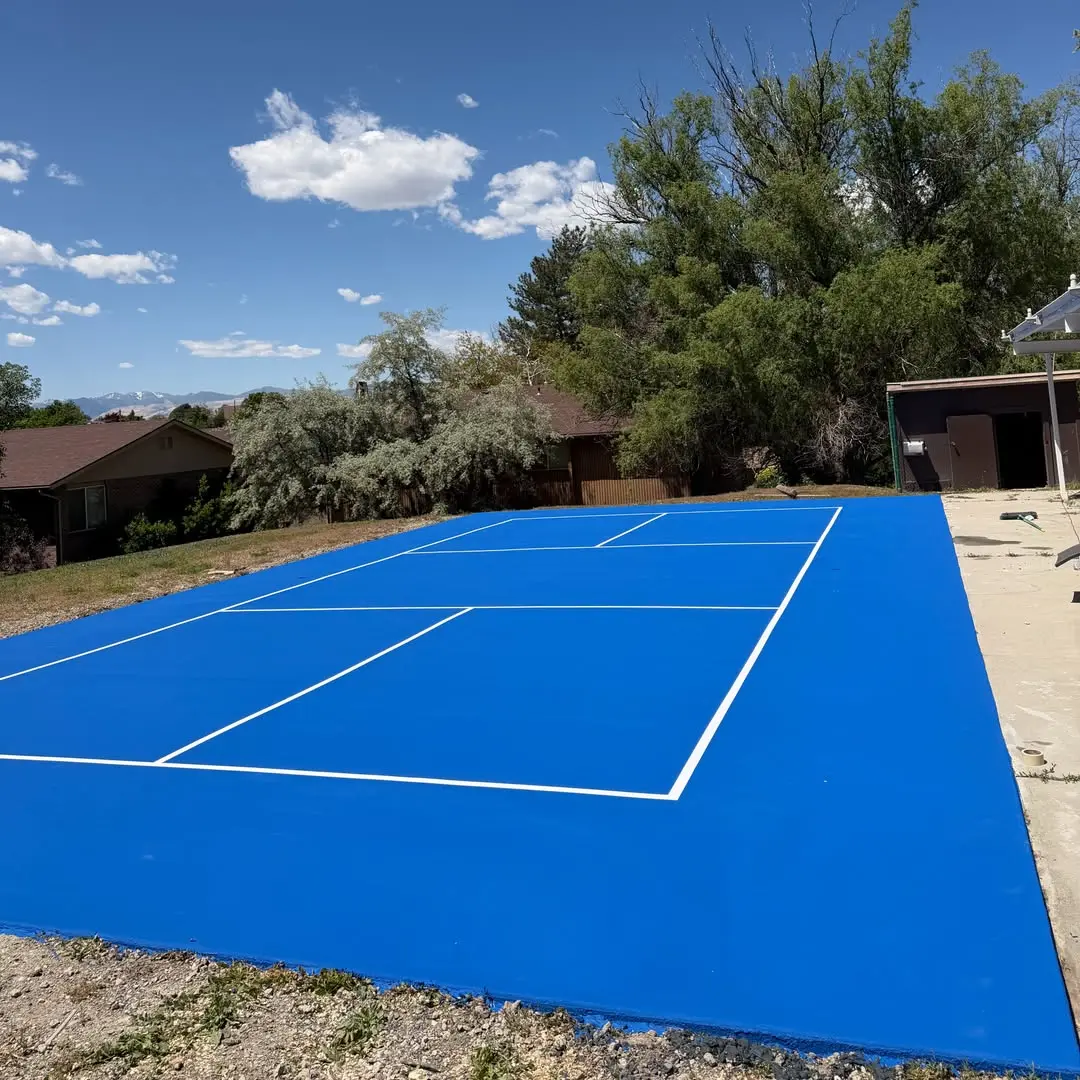
Many resurfacing projects now include pickleball conversion or multi-sport striping. Adding pickleball lines to an existing tennis or basketball court can increase the usefulness of the space without requiring a full new build.
Costs depend on whether the project simply adds new lines or removes old markings first. Adding lines is usually less expensive. Removing or grinding existing lines can cost more but creates a cleaner, more professional finish.
Multi-sport upgrades may include:
Pickleball lines on a tennis court
Basketball lines on a recreation court
Blended line colors for different sports
Portable or permanent net systems
New net posts and center straps
Adjusted fencing or access points
Court lighting updates
For official play, dimensions and line placement should be planned carefully. USA Pickleball is a commonly referenced resource for standard pickleball court dimensions and layout guidance.
Pickleball conversion is often one of the highest-value additions during resurfacing because the court is already being cleaned, coated, and striped. It is usually more efficient to plan sport conversions during the resurfacing process rather than adding them later.
Long-term maintenance also affects value. After resurfacing, owners should keep the court clean, remove leaves and pine needles, prevent sprinklers from hitting the surface, and inspect cracks annually. A light maintenance routine can extend the life of the coating system and help preserve traction.
A practical maintenance plan includes:
Rinsing or cleaning the court as needed
Removing organic debris quickly
Checking cracks once or twice per year
Keeping drains and edges clear
Avoiding harsh chemicals
Refreshing coatings before they fully fail
Resurfacing is ultimately an investment in safety, appearance, and play quality. The right approach can restore an aging court, improve the experience for players, and delay more expensive reconstruction. For homes, schools, clubs, parks, and communities in eastern North Carolina, the best results come from honest evaluation, proper preparation, and materials suited to the local climate.
Ace Coatings NC East is included in that conversation because court resurfacing requires more than a fresh coat of color. It requires understanding how courts wear, how water moves, how coatings bond, and how players actually use the space.
