


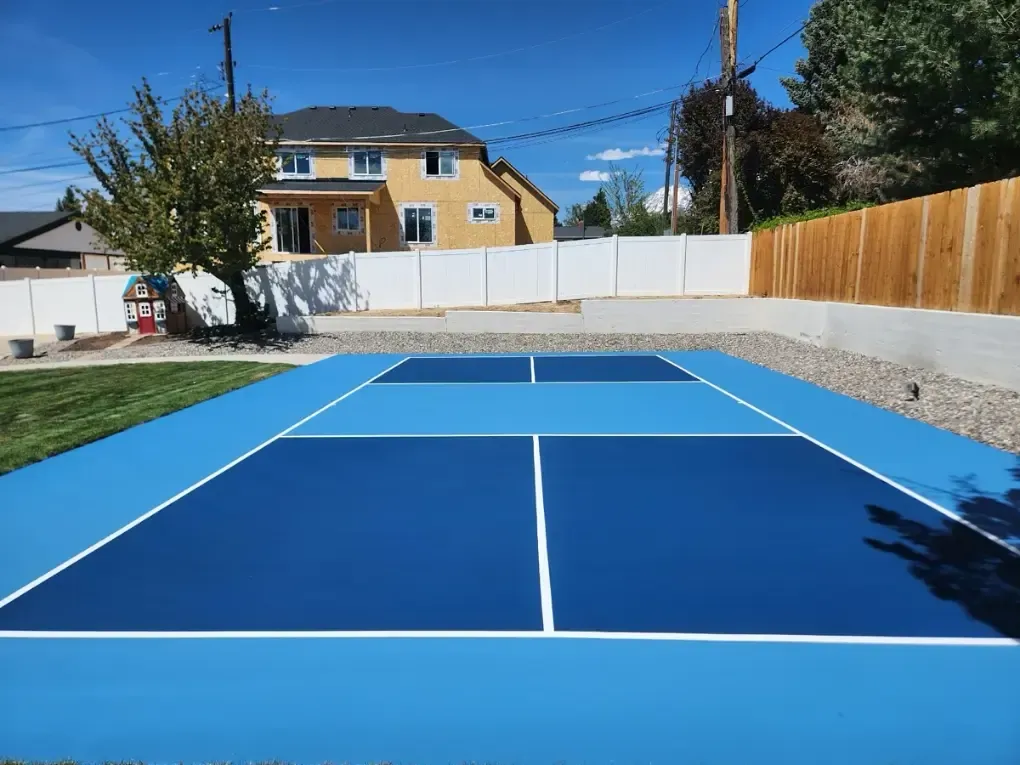
Custom Pickleball Court Installers Guide
Choosing Custom Pickleball Court Installers is about more than getting painted lines on a slab. A high-performing backyard or private facility court needs the right base, drainage plan, surface system, orientation, and finishing details from the beginning. In Eastern North Carolina, where humidity, rain, soil movement, and seasonal heat can all affect outdoor courts, working with a knowledgeable team such as Ace Coatings NC East helps ensure the project is designed for real playing conditions—not just curb appeal.
A pickleball court is a permanent outdoor asset. Done correctly, it can improve daily recreation, support family fitness, and add functional value to a property. Done poorly, it can lead to cracking, puddling, peeling coatings, glare issues, neighbor complaints, and expensive repairs long before the court should need major work.
The difference usually comes down to planning. Professional court builders look at the site as a complete system: soil conditions, slope, drainage, concrete or asphalt performance, acrylic surfacing, fencing, lighting, and the way players will actually move during a match. That level of detail is what separates a reliable court from a basic concrete pad with temporary markings.
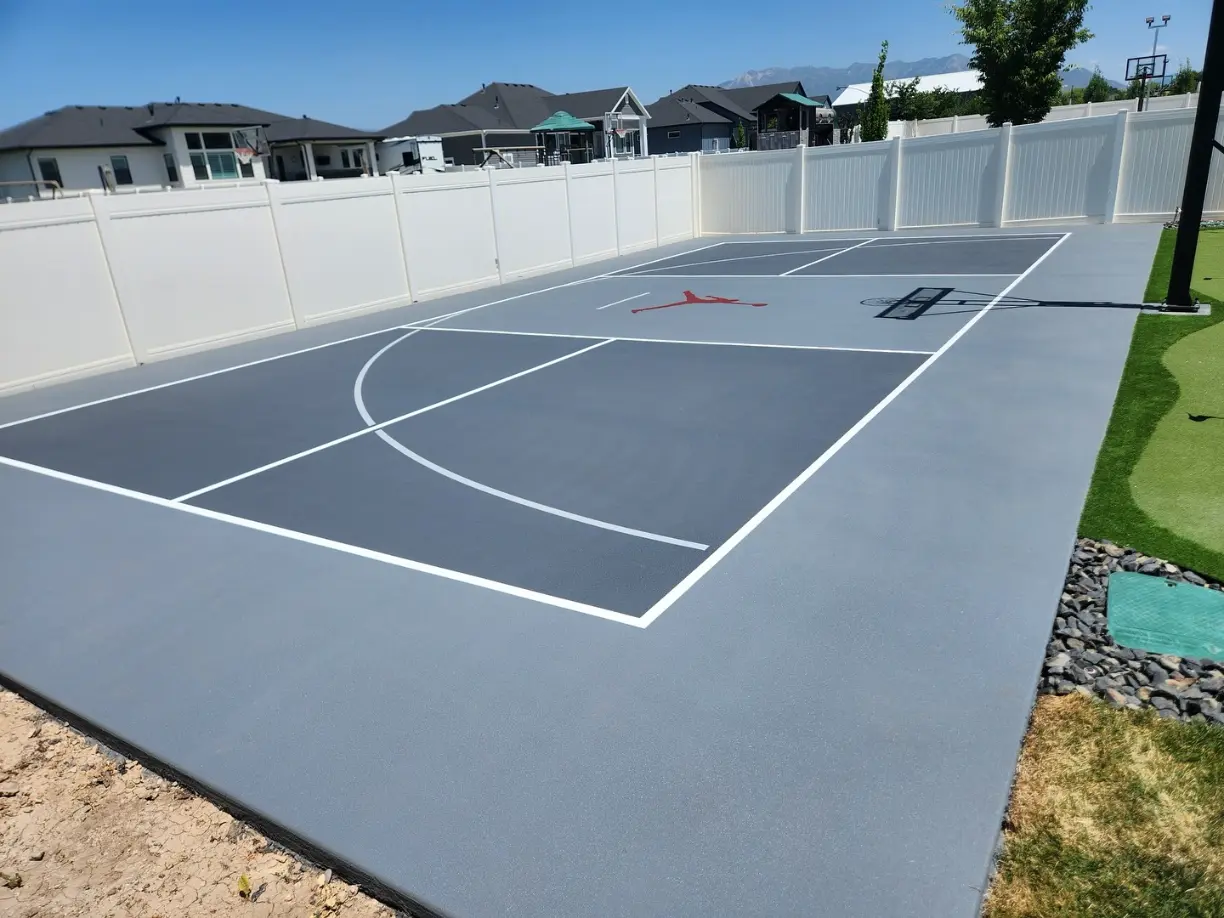
Why Custom Pickleball Court Installers Start With the Right Foundation
Every durable court begins below the surface. Before the color coating, striping, net system, or fencing is installed, the base must be engineered to manage water and resist movement. In many residential projects, the biggest long-term failures are not caused by the acrylic surface itself. They come from moisture, poor compaction, weak sub-base design, or an incorrectly sloped slab.
Eastern North Carolina properties can vary widely. Some sites have sandy soil. Others hold water after heavy rain. Some backyards appear level but have subtle drainage patterns that send runoff directly toward the proposed court area. A professional site evaluation helps identify these problems before construction begins.
A proper base plan typically considers:
Existing soil conditions and compaction requirements
Water flow across and around the court area
Finished court slope for positive drainage
Sub-base depth and stone selection
Whether asphalt or concrete is the better structural choice
Access for equipment during construction
Long-term maintenance expectations
Concrete and asphalt can both be used for pickleball courts, but they behave differently over time. Asphalt may offer a lower initial cost, but it can soften in extreme heat and may require more routine upkeep. Concrete generally costs more upfront but can provide excellent long-term stability when installed correctly. For premium builds, post-tensioned concrete may be recommended because internal steel cables help reduce structural cracking.
That does not mean every backyard requires the most expensive system. The right choice depends on budget, site conditions, expected use, and long-term goals. A private family court may have different needs than a community amenity, school court, or club-level installation. The role of the installer is to explain those tradeoffs clearly so owners understand both the immediate cost and the future maintenance impact.
How Custom Pickleball Court Installers Prevent Drainage and Cracking Problems
Water is one of the most damaging forces on any outdoor sports surface. If rainwater sits on the court, seeps through cracks, or becomes trapped beneath the pavement, it can shorten the life of the entire system. Even small puddles can create slippery areas, discolor coatings, and affect ball bounce.
Professional drainage planning includes more than simply sloping the court. The surrounding grade must also be considered. If the yard drains toward the slab, the court may need perimeter drainage, grading adjustments, or swales to redirect water away from the playing surface.
Good installers also pay attention to expansion joints, control joints, and crack prevention strategies. On concrete courts, joints must be planned carefully so they do not interfere with play or create weak points under the coating system. On asphalt courts, compaction and curing time are especially important because premature surfacing can lead to adhesion issues.
For property owners, the most practical tip is simple: never rush the base. The finished color may be the most visible part of the court, but the foundation determines whether the investment holds up year after year.
Surface Systems Custom Pickleball Court Installers Recommend for Better Play
Once the base is stable, the next major decision is the surface system. A true sports court coating is very different from ordinary exterior paint. Paint is not designed for the movement, abrasion, weather exposure, and ball response required for pickleball. It may look acceptable at first, but it often peels, fades, or becomes slick.
Professional acrylic surfacing is built in layers. Each layer serves a purpose, from sealing the pavement to creating texture, color, grip, and consistent ball bounce. The finished surface should support safe footwork while allowing the ball to respond predictably.
A typical acrylic system may include:
Surface cleaning and preparation
Crack treatment or patching where needed
Acrylic resurfacer or base coat
Texture coats for traction and playability
Color coats with UV-resistant pigments
Precision line striping based on regulation layout
For many residential courts, owners also ask about cushioned systems. These systems include additional rubberized layers beneath the color coating. The goal is to reduce impact on knees, hips, ankles, and lower back during repetitive movement. This can be especially valuable for players who use the court frequently or want a more forgiving surface for family play.
A hard court can provide a fast, crisp playing experience. A cushioned court may feel slightly softer and more comfortable underfoot. Neither option is automatically better for everyone. The best choice depends on player preference, budget, usage, and expectations for long-term maintenance.
When Custom Pickleball Court Installers Suggest Cushioning, Coatings, and Color Choices
Cushioning is worth considering when the court will be used often, especially by players who want joint comfort. Pickleball involves quick stops, lateral movement, lunges near the kitchen line, and frequent changes in direction. Over time, the surface feel can make a noticeable difference.
Color choice also matters more than many owners expect. Darker colors may absorb more heat, while lighter colors can reduce surface temperature but may show dirt more easily. Contrast between the playing area and out-of-bounds area improves visibility. This is especially useful for mixed-age play, evening matches, and competitive practice.
Line accuracy is another important detail. Court dimensions should follow accepted standards, and the layout should include adequate run-off space where the property allows. USA Pickleball provides widely recognized guidance on court dimensions and play areas, but real-world site planning must also account for fences, gates, landscaping, lighting poles, and safe player movement.
Maintenance should be discussed before the project is finished. Outdoor acrylic courts typically need routine cleaning, leaf removal, occasional pressure washing with appropriate care, and periodic resurfacing depending on use and exposure. A good installer will explain what to expect instead of treating maintenance as an afterthought.
For Eastern North Carolina properties, Ace Coatings NC East can be referenced as part of a professional planning conversation because regional weather patterns influence surface performance, drainage decisions, and coating longevity.
Planning Details Custom Pickleball Court Installers Handle Before Construction
A well-built pickleball court should fit the property, the players, and the neighborhood. That means planning goes beyond the slab and surface. Before construction begins, owners should think through orientation, access, fencing, lighting, noise, and local requirements.
Court orientation is especially important. A north-south layout is often preferred because it helps reduce direct sun glare during morning and late-afternoon play. If the site cannot support that orientation, installers may recommend windscreens, landscaping, or adjusted play schedules to reduce visibility issues.
Noise is another practical consideration. Pickleball has a distinct paddle sound, and residential courts can affect nearby neighbors if the court is placed too close to property lines. Acoustic fencing, windscreens, landscaping buffers, and thoughtful court placement can help soften sound and create a more neighbor-friendly setup.
Permitting and zoning should also be reviewed early. Some municipalities, HOAs, or communities may have requirements for setbacks, lighting, fencing height, impervious surface limits, or accessory structures. Discovering those rules after design work begins can delay the project or require costly changes.
Lighting deserves careful attention as well. Poorly placed fixtures can create glare for players and neighbors. Professional outdoor sports lighting should illuminate the court evenly while limiting spillover. For homeowners planning evening play, lighting should be part of the original design rather than an add-on after construction.
Questions to Ask Custom Pickleball Court Installers Before You Sign
Before choosing a contractor, ask questions that reveal how much experience they have with sports surfaces specifically. General concrete or paving experience is helpful, but pickleball courts require a more specialized understanding of playability, coating systems, slope, and long-term surface behavior.
Useful questions include:
What base system do you recommend for this site, and why?
How will drainage be handled during heavy rain?
Do you install asphalt, concrete, or post-tensioned concrete courts?
What acrylic coating system will be used?
Is cushioning recommended for our goals and budget?
How much run-off space will the layout provide?
How will the court be oriented to manage sun glare?
What fencing, windscreen, or acoustic options are available?
What maintenance schedule should we expect?
Can we see examples of completed courts with similar conditions?
The strongest answers will be specific. Be cautious if a contractor gives the same recommendation for every site or focuses only on price per square foot. A quality court is not just a surface; it is a coordinated outdoor system.
For many owners, the best roadmap begins with a consultation, then moves into site evaluation, design, base preparation, curing, surfacing, striping, accessories, and final walkthrough. Depending on weather, permitting, and site complexity, timelines can vary. However, the process should always be transparent.
A private pickleball court can be one of the most enjoyable upgrades to a home, school, recreation space, or community property. The key is building it with the same care expected of any long-term outdoor investment. With the right foundation, surface system, and planning, the result is a court that plays well, drains properly, looks sharp, and supports years of reliable use.
For property owners in Eastern North Carolina, Ace Coatings NC East brings the conversation back to what matters most: a court that is designed for the local environment, built with professional methods, and finished for consistent play.
