


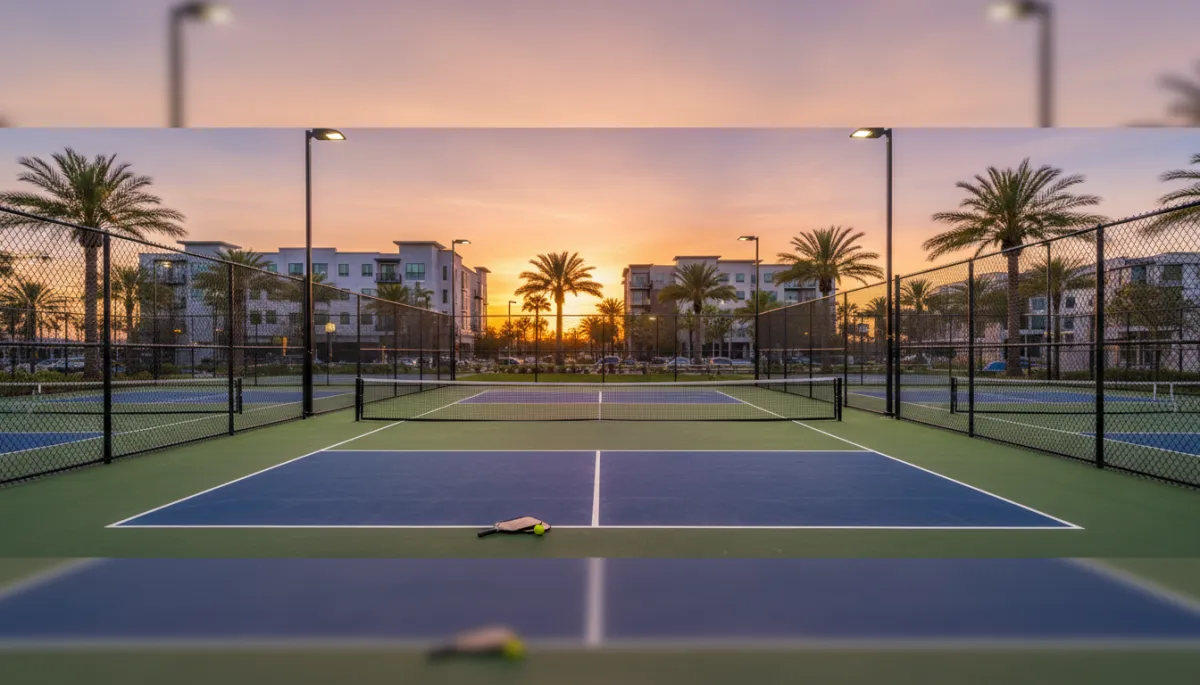
Commercial Pickleball Court Construction Guide
Pickleball, Sports Construction, Commercial Pickleball Court Construction
Commercial Pickleball Court Construction: What Every Property Owner Should Know
If you are researching commercial pickleball court construction for an apartment community, HOA, park, school, or private facility in the U.S., you are not alone. Pickleball is one of the fastest‑growing sports nationwide, and well‑built courts can boost property value, attract new residents or members, and create a vibrant community hub. The key is choosing the right design, surface, and construction partner so your courts meet safety standards, play beautifully, and stand up to real‑world use and weather.
Why Invest in Commercial Pickleball Court Construction?
For individuals, small groups, and consumer‑focused property owners, pickleball courts are more than a trendy amenity. They are a long‑term investment in community, wellness, and property appeal. Properly planned courts can:
Attract and retain residents, members, and guests who want active lifestyles.
Support all‑ages recreation, from kids and teens to seniors and competitive players.
Create opportunities for leagues, lessons, and tournaments that generate revenue or community engagement.
Because these courts are public‑facing and heavily used, they must be built to a higher standard than a casual backyard court. That means following layout guidelines, ensuring proper drainage, and choosing coatings and striping that hold up to constant play and changing weather conditions.
Understanding Official Court Dimensions and Guidelines
A professional‑quality commercial pickleball court starts with the correct dimensions and layout. According to USA Pickleball construction guidelines, a standard court playing area is 20 feet wide by 44 feet long, with additional space around the court for safe movement and fencing. For commercial installations, this buffer is especially important to reduce trip hazards and give players room to chase shots without colliding with obstacles.
Many properties choose to build multiple courts side by side to handle demand and support leagues or events. Planning for an efficient layout up front helps you maximize your available land while still giving spectators and waiting players space to sit, socialize, and safely move around the facility.
Site Selection: Location, Orientation, and Access
Before any construction begins, you will need to evaluate where your courts will go. For individuals and consumer‑focused owners, this often means reviewing open land near existing amenities like pools, clubhouses, or playgrounds. Key considerations include:
Sun orientation: Courts are typically aligned north–south when possible to minimize direct sun in players’ eyes during morning and afternoon play.
Drainage and grading: The site should support proper water runoff so puddles do not form on the surface after rainstorms.
Noise and neighbors: Pickleball can be lively; placing courts thoughtfully can help maintain good relationships with nearby homes or quiet zones.
Easy access from parking areas or walking paths is also crucial. When players can reach the courts safely and quickly, you encourage more frequent use and reduce the risk of slips, trips, and falls on the way to the game.
Base Construction: The Foundation of a Long‑Lasting Court
In commercial pickleball court construction, the court is only as good as the base beneath it. A properly engineered base provides a stable, even platform for the playing surface and minimizes cracking or settling over time. Typical steps include:
Excavating and compacting the subgrade to achieve a solid, uniform foundation.
Installing a crushed stone or aggregate base, carefully graded for drainage and levelness.
Pouring and finishing an asphalt or concrete slab to the correct slope, typically around 1% for water runoff.
For owners, this phase is often invisible once the project is complete—but it has a huge impact on how your courts feel, play, and age. A well‑built base also helps the surface coatings adhere properly and last longer, protecting your investment.
Surface Coatings: Comfort, Performance, and Appearance
Once the base is in place, the next major decision is the playing surface. For commercial settings, acrylic sport coatings are a popular choice because they provide consistent ball bounce, comfortable traction, and a clean, professional look. Neutral color schemes—such as muted greens, grays, and blues—blend well with surrounding landscaping and buildings while still providing clear contrast with the court lines and ball.
Partnering with an experienced coating specialist like Ace Coatings NC East ensures your surface system is matched to your climate, usage level, and budget. High‑quality coatings can help reduce glare, improve player comfort underfoot, and resist fading or peeling under sun and rain. For facilities that expect heavy daily play, this difference in durability can significantly reduce maintenance costs over the life of the courts.
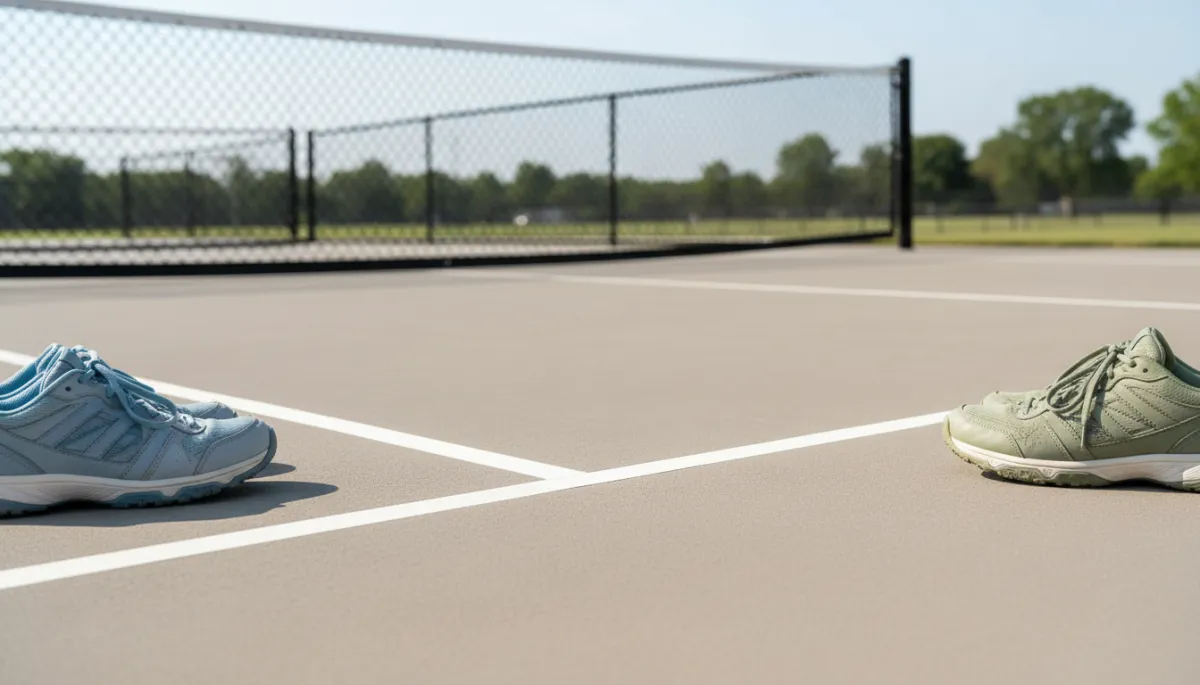
Quality coatings and line work create a professional look and consistent play experience.
Nets, Fencing, and Lighting: The Details Players Notice
A great pickleball court is more than just a painted slab. The right accessories and infrastructure turn a simple surface into a true destination for players. For commercial courts, you will typically want:
Permanent net systems with sturdy posts and regulation net height for consistent play.
Perimeter fencing to keep balls contained, protect nearby walkways, and provide safe entry gates.
LED lighting designed for sports applications if you plan to offer evening play or extend usable hours.
Comfortable benches, shade structures, and water access can further enhance the experience, especially in warmer climates. These touches show residents and guests that you designed your courts with their comfort and safety in mind, not just as a quick add‑on.
Safety, Accessibility, and Local Considerations
For individuals and consumer‑oriented decision makers, safety and accessibility should be non‑negotiable parts of any commercial pickleball court construction project. Smooth transitions between walkways and court surfaces, clearly marked entrances, and non‑slip coatings all reduce the likelihood of injuries. If your facility serves families or older adults, these details are especially important.
You will also need to account for local building codes, permitting requirements, and neighborhood expectations. An experienced regional contractor can help you navigate setback rules, stormwater requirements, and lighting ordinances so your project proceeds smoothly and stays compliant from day one. This local knowledge is a major advantage when planning timelines and budgets.
Budgeting and Long‑Term Value for Property Owners
Every owner wants to understand costs before committing to a project. While pricing will vary based on location, site conditions, and the number of courts, it helps to think in terms of total lifecycle value rather than just initial construction cost. A well‑designed, properly coated court complex can serve your community for many years with only periodic maintenance such as cleaning, crack repair, and resurfacing when needed.
When courts are popular and well maintained, they can also help differentiate your property in a competitive housing or membership market. Prospective residents and members increasingly look for modern, active amenities, and pickleball ranks high on that list. By planning carefully now, you create a lasting asset that supports your goals for occupancy, satisfaction, and community engagement.
Choosing the Right Partner for Commercial Pickleball Court Construction
Because there are so many moving parts—site evaluation, base construction, surfacing, striping, and accessories—working with a team that understands both coatings and court performance is essential. Look for a partner that:
Has experience with commercial and community‑level court projects, not just small residential jobs.
Understands your climate and soil conditions and can recommend appropriate materials and surface systems.
Offers clear communication on timelines, maintenance expectations, and realistic budgets.
A specialized coatings contractor can also help you plan future maintenance cycles and provide guidance on keeping your courts looking and playing their best season after season. This kind of proactive partnership is especially valuable for individuals and board members who may not have a background in sports construction but still need to make confident decisions for their communities.
Getting Started with Your Pickleball Court Project
If you are ready to explore commercial pickleball court construction for your property, the best first step is a conversation with a knowledgeable professional. Share details about your site, who will be using the courts, and what you hope to achieve—whether that is a quiet neighborhood amenity, a lively club atmosphere, or a tournament‑ready facility. From there, you can develop a phased plan that fits your budget and timeline while still delivering a high‑quality playing experience.
To discuss design ideas, surfacing options, and next steps for your project, you can contact us at Ace Coatings NC East and book a commercial pickleball court construction consultation tailored to your property’s needs.
With thoughtful planning, the right materials, and expert guidance, your new courts can become a centerpiece of activity and connection for years to come—offering a safe, attractive, and enjoyable space where players of all ages can discover why pickleball has captured so many hearts across the country.
