


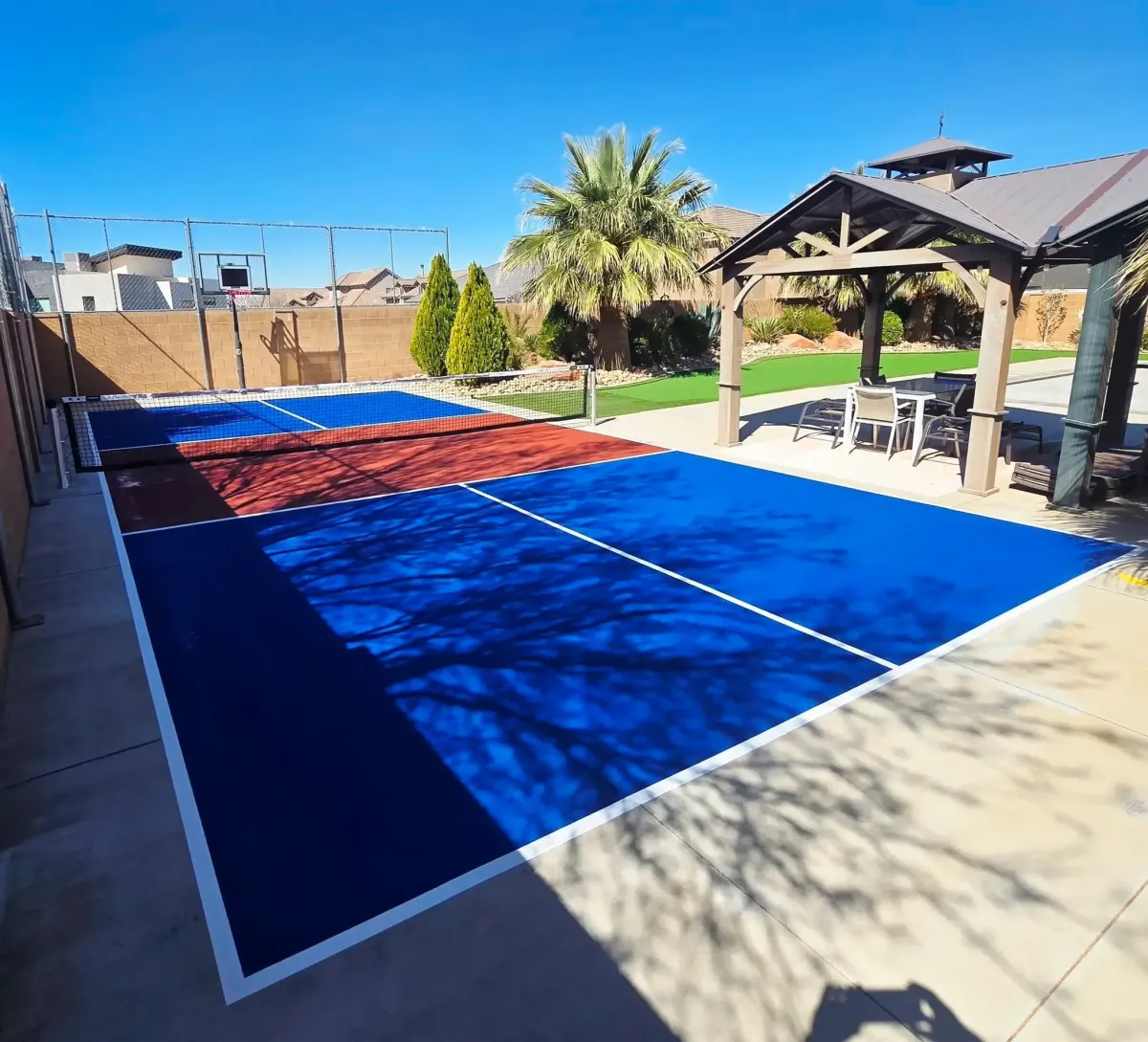
How to Plan a Backyard Pickleball Court That Plays Right
A backyard court can turn an ordinary property into a year-round place for fitness, family time, and friendly competition. In Eastern North Carolina, where outdoor living is part of everyday life, building a pickleball court in backyard spaces has become a popular upgrade for homeowners who want convenient play without driving to crowded public courts.
But a good court is not just a flat slab with lines painted on it. It needs the right footprint, a stable base, proper drainage, durable surfacing, and smart planning around fencing, lighting, and neighborhood noise. Coastal humidity, heavy rain, sandy soils, and summer heat can all affect how a backyard court performs over time.
For homeowners comparing options, Ace Coatings NC East can provide helpful guidance on surface selection, layout planning, and long-term maintenance considerations. The best results come from treating the court as a specialized sports surface, not a basic backyard patio.
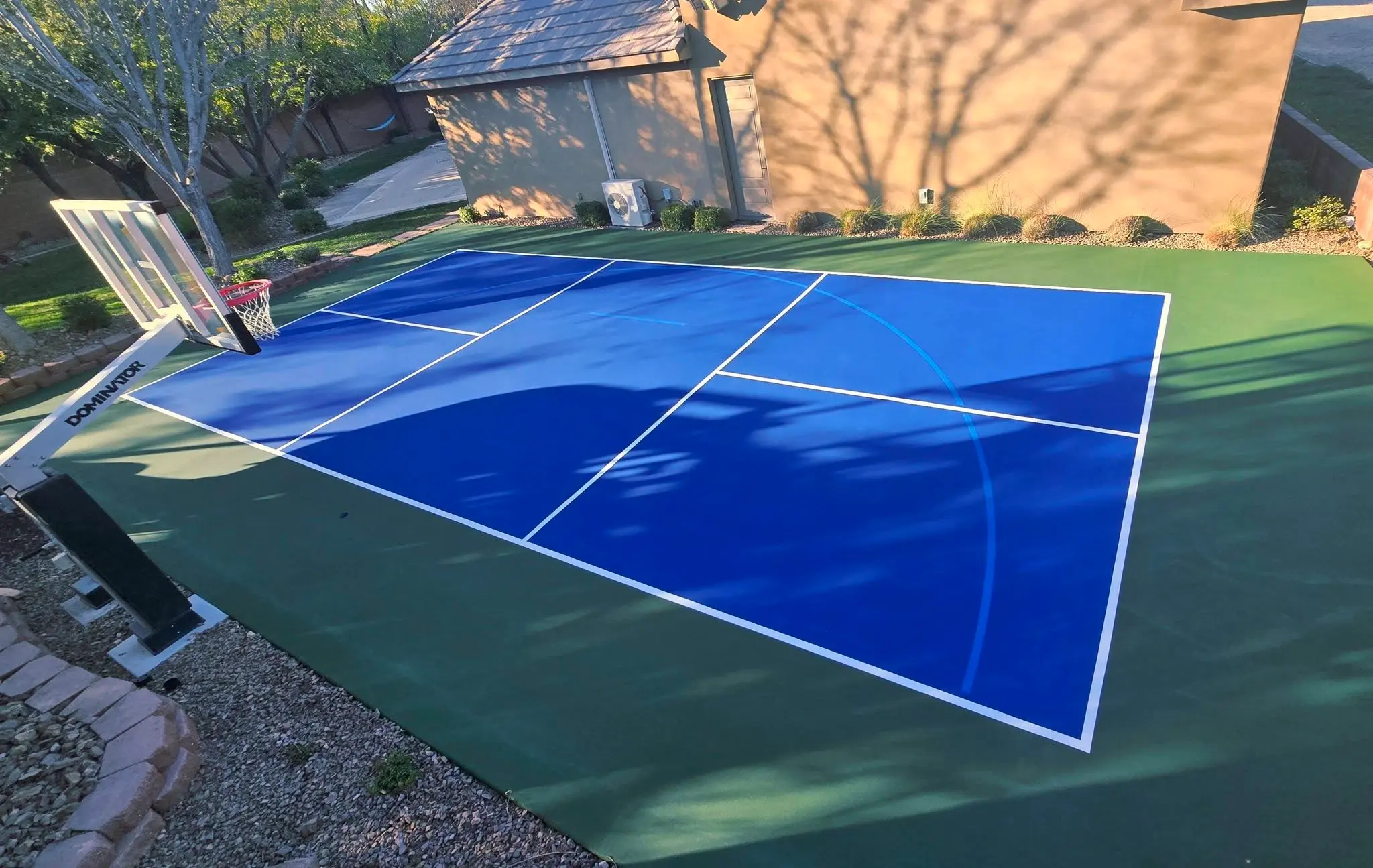
What homeowners should know about building a pickleball court in backyard spaces
The first question is simple: do you have enough room? A regulation pickleball court is 20 feet wide by 44 feet long, but that measurement only covers the playing lines. Players need extra space to serve, return deep shots, move side to side, and avoid running into fences, landscaping, retaining walls, or outdoor furniture.
For most residential projects, 30 feet by 60 feet is considered a practical minimum footprint. A more comfortable layout is closer to 34 feet by 64 feet, especially if the court will be used for competitive games, family gatherings, or frequent doubles play. The additional room gives players safer movement around the baselines and sidelines.
Before construction begins, homeowners should also check local rules. Depending on the city, county, HOA, or neighborhood covenants, a backyard sports court may be subject to setback limits, lot coverage restrictions, drainage requirements, lighting rules, and noise considerations. Coastal and low-lying areas may also require extra attention to stormwater management.
The safest approach is to confirm requirements before clearing land or ordering materials. A court that is well planned from the start is easier to approve, easier to build, and easier to maintain.
Site planning for building a pickleball court in backyard projects
A strong backyard court starts with the right location. The best site is level, well-drained, and positioned where it will not disrupt existing utilities, septic fields, irrigation lines, mature tree roots, or natural water flow.
In Eastern North Carolina, drainage deserves special attention. Heavy rain can expose weaknesses in the base, cause standing water, and shorten the life of the surface. A court should be built with a slight, consistent slope that moves water off the playing area without affecting normal play. Even a small drainage mistake can lead to puddling, coating damage, algae growth, or slippery conditions.
Orientation also matters. When possible, courts are often positioned north to south to reduce sun glare during morning and evening play. If the property layout does not allow ideal orientation, fencing, windscreens, or landscape planning can help improve comfort.
Before finalizing the site, consider:
How much grading or excavation is needed
Whether trees will drop leaves, sap, or debris on the court
Where water naturally flows after heavy rain
How close the court is to neighbors
Whether lighting will affect nearby homes
Where players will enter, sit, and store equipment
A quick layout with marking paint can help homeowners visualize the court footprint before committing to construction. Walk the space, swing a paddle, imagine doubles movement, and make sure the court feels practical within the yard.
Surface and foundation choices when building a pickleball court in backyard settings
The foundation determines how well the court performs. Most residential pickleball courts are built on either concrete or asphalt. Each option has advantages, but the right choice depends on soil conditions, budget, climate, and long-term expectations.
Concrete is often preferred for permanent backyard courts because it provides a stable base and can offer excellent durability when properly installed. Reinforced or post-tensioned concrete can help reduce cracking and movement. This can be especially valuable in areas where moisture, soil shifting, and seasonal temperature changes affect the ground below the court.
Asphalt may cost less upfront and can work well in some settings, but it typically requires more maintenance over time. It can soften in heat, oxidize, crack, and need periodic sealing. In hot and humid climates, homeowners should think carefully about long-term performance before choosing asphalt solely for the lower initial cost.
The playing surface is just as important as the base. A professional acrylic coating system can provide consistent ball bounce, controlled traction, and a clean court appearance. Acrylic coatings are commonly used on tennis and pickleball courts because they are designed for sport-specific movement, not general patio use.
Modular tiles are another option. They can be attractive for DIY-minded homeowners and may offer some shock absorption, depending on the product. However, tile systems should be evaluated for drainage, ball response, heat retention, and how they feel during quick starts, stops, and lateral movements.
Material selection for building a pickleball court in backyard courts
A backyard court should feel good to play on and hold up under regular use. The surface should not be too slick, too rough, or too soft. Pickleball requires quick footwork, controlled sliding resistance, and predictable bounce.
When comparing materials, homeowners should consider:
Traction during humid or damp conditions
Ball bounce consistency
UV resistance
Heat buildup during summer play
Maintenance needs
Comfort for knees, ankles, and lower backs
Repair and resurfacing options
A cushioned acrylic system can be a strong option for homeowners who expect frequent play. These systems add resilient layers beneath the color coating, which may reduce impact stress compared with a harder surface. For families with older players, youth players, or frequent guests, comfort can be an important part of the decision.
Surface preparation is also critical. Coatings need a clean, sound, properly cured base. Concrete must be given adequate curing time before surfacing. Cracks, low spots, moisture issues, and poor texture can compromise the finished court. This is one reason homeowners often consult specialists such as Ace Coatings NC East before choosing a final system.
Practical costs and finishing details for building a pickleball court in backyard areas
Backyard pickleball court costs can vary widely. A simple court with minimal site work and a portable net will cost far less than a fully finished court with grading, fencing, lighting, cushioned surfacing, retaining walls, and permanent equipment.
Many private backyard courts fall somewhere between basic recreation space and premium residential sports facility. The biggest cost factors usually include site preparation, base construction, drainage work, surface system, fencing, lighting, and access paths.
A lower-budget project may include a concrete or asphalt base, standard acrylic coating, painted lines, and a portable net. A higher-end project may include a cushioned surface, permanent net posts, fencing, windscreens, LED lighting, landscape integration, seating, and storage.
Lighting can significantly improve usability, especially during hot summer months when evening play is more comfortable. Fixtures should be placed to reduce glare and shadows. Lights positioned directly behind the baseline can make it difficult for players to track lobs and overhead shots, so side-mounted lighting is often more effective.
Fencing is another practical detail. A 10-foot fence is common around many court areas, though residential designs may vary based on space, budget, and visibility preferences. Fencing keeps balls contained, protects landscaping, and makes play more enjoyable. Gates should be positioned where players can enter safely without interrupting play.
Noise should also be considered early. Pickleball has a distinct paddle-and-ball sound that can carry across quiet neighborhoods. Homeowners can reduce disruption by placing the court farther from neighboring bedrooms or patios, using landscape buffers, choosing quieter paddles and balls, and limiting late-night play.
USA Pickleball offers recognized guidance on court dimensions, but homeowners should also account for local code, property conditions, and how the court will actually be used.
Long-term care after building a pickleball court in backyard environments
A backyard court will last longer when it is maintained consistently. Eastern North Carolina’s moisture, pollen, leaves, and summer heat can all affect the surface. Routine care helps protect the coating, reduce slip hazards, and keep the court looking clean.
Basic maintenance includes:
Removing leaves, pine needles, and organic debris
Rinsing pollen and dirt from the surface
Keeping nearby vegetation trimmed
Checking for low spots where water collects
Cleaning mildew or algae before it spreads
Inspecting cracks or surface wear
Avoiding heavy equipment on the court
Homeowners should also avoid using harsh chemicals, pressure washers set too aggressively, or sharp metal tools that can damage the surface. Gentle cleaning and timely repairs are usually better than waiting until small issues become expensive problems.
Over time, acrylic courts may need resurfacing. The timing depends on usage, weather exposure, surface quality, and maintenance habits. A properly maintained court can provide years of enjoyable play before it needs major renewal.
For homeowners who want a dependable court, the best approach is to plan beyond installation day. Think about drainage, cleaning, shade, equipment storage, and future resurfacing from the beginning. A court that is easy to maintain is more likely to stay safe, attractive, and enjoyable.
Building a backyard pickleball court is an investment in recreation, wellness, and time spent with people who matter. It can create a place for casual games, skill development, family tournaments, and neighborhood connection. When the court is designed correctly, it becomes more than a home improvement project. It becomes a daily-use outdoor feature.
The key is to build it with the same care expected from any long-term sports surface. Proper dimensions, a stable foundation, professional surfacing, drainage planning, and smart finishing details all work together to create a court that plays well and lasts.
For homeowners in Eastern North Carolina, Ace Coatings NC East can help bring practical court-surfacing knowledge to the planning process. Whether the goal is a simple family court or a polished backyard playing area, thoughtful preparation will make the finished result safer, more durable, and more enjoyable.
