


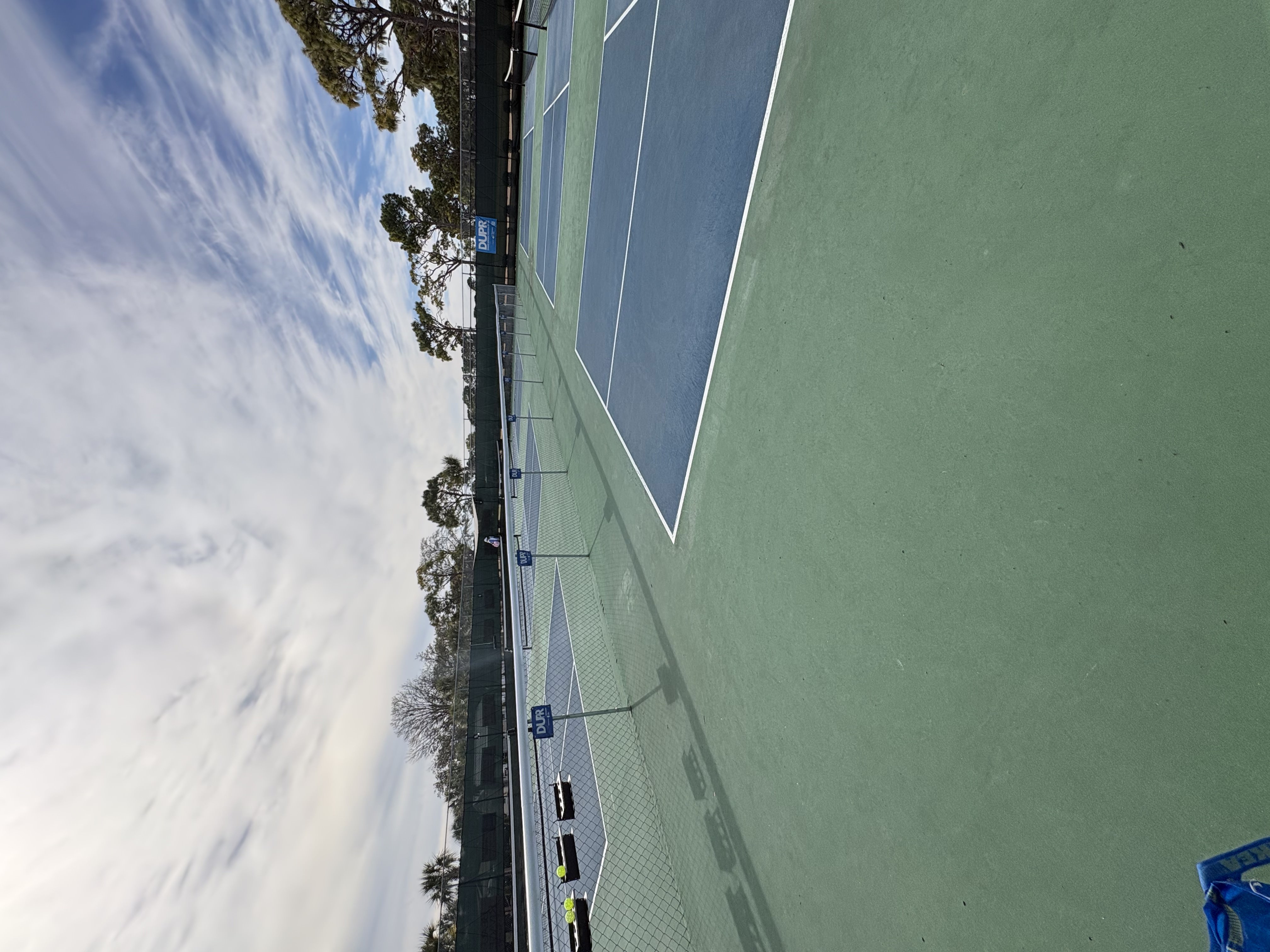
Acrylic vs. Modular Tiles for Pickleball Courts: Cost, Comfort & Performance Guide
If you’re planning to build a court at home, for a school, or for a community facility, understanding Acrylic vs. Modular Tiles for Pickleball Courts is one of the most important decisions you’ll make. The surface you choose impacts installation cost, long-term maintenance, playability, joint comfort, and overall court lifespan. While both systems create a high-quality playing environment, they are fundamentally different in structure, performance, and ownership experience.
This guide breaks down the differences using industry best practices, real-world installation considerations, and long-term performance insights. Whether you’re prioritizing professional tournament play or low-maintenance durability, this in-depth comparison will help you make a confident decision.
Acrylic vs. Modular Tiles for Pickleball Courts: Understanding the Core Differences
Before comparing cost and performance, it’s essential to understand what these systems actually are.
Acrylic vs. Modular Tiles for Pickleball Courts: What Is an Acrylic System?
An acrylic court is not simply “paint.” It is a professional, multi-layer surfacing system applied over a properly prepared asphalt or concrete slab. The process typically includes:
Resurfacer layers to smooth imperfections
Textured color coats containing silica sand
Precision line striping
When cured, this creates a seamless, bonded playing surface. This is the traditional hard-court system seen in tennis and pickleball facilities across the country.
According to USA Pickleball, surface consistency, proper slope (typically 1%), and correct texture are essential for safe and competitive play. Acrylic systems are widely used because they deliver consistent ball bounce and controlled traction when properly installed.
Professional contractors such as Ace Coatings NC East stress that the success of an acrylic court depends heavily on the condition of the sub-base. Any structural cracks or drainage issues beneath the slab will eventually telegraph through the surface.
Modular Tile Systems Explained
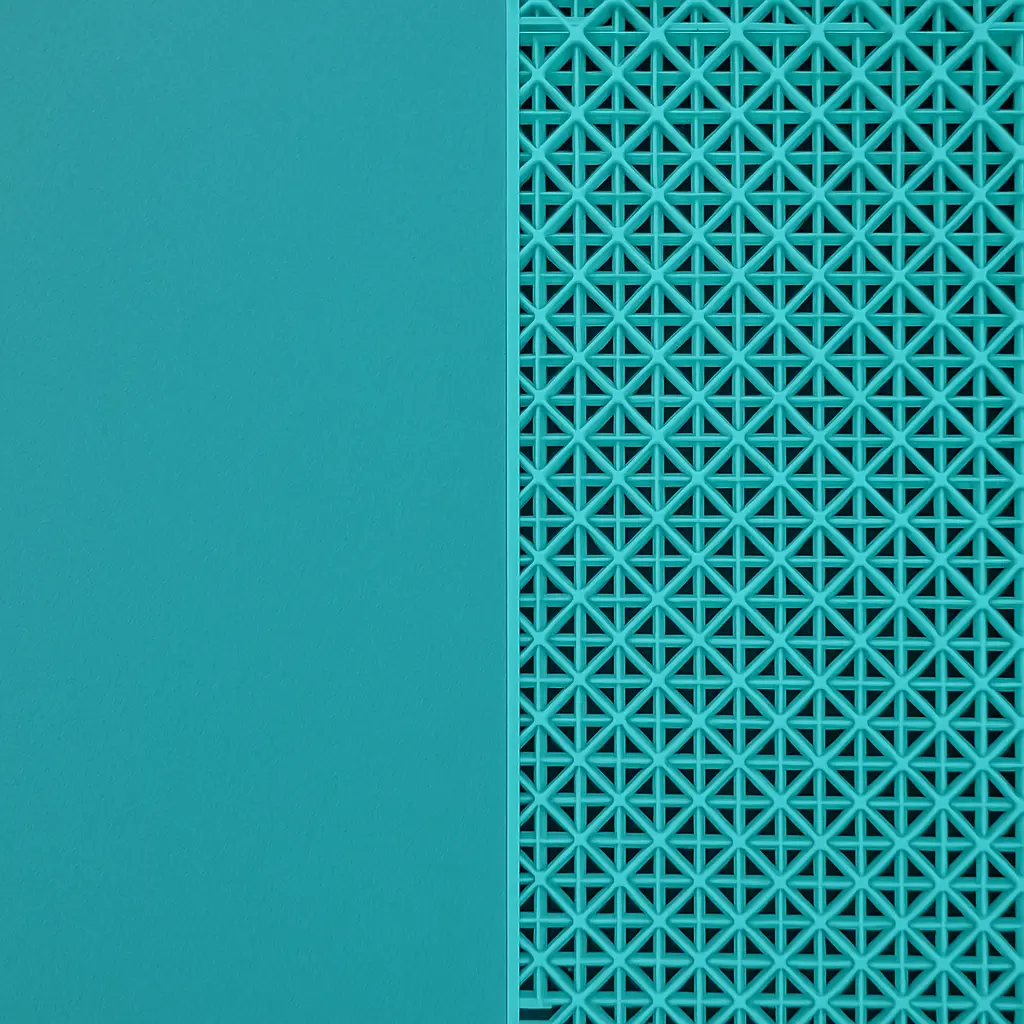
Modular tiles are interlocking polypropylene squares that snap together over a solid base. Instead of bonding to the foundation, they “float” on top of it.
Key characteristics:
Open-grid or perforated design for drainage
Built-in shock absorption through slight vertical flex
Replaceable individual tiles
This system creates a durable, segmented surface rather than one continuous sheet.
The primary structural difference drives nearly every performance and maintenance consideration moving forward.
Acrylic vs. Modular Tiles for Pickleball Courts: Cost and Installation Comparison
Budget plays a major role in surface selection, but it’s important to look beyond initial material pricing.
Upfront Installation Costs
At first glance:
Acrylic materials are typically less expensive than a full modular tile system.
However, acrylic requires a perfectly smooth, crack-free concrete or asphalt base.
If a new slab must be poured, that foundation can represent the largest portion of the project budget.
Modular tiles, by contrast:
Can often be installed over existing concrete
Can tolerate minor cracks and surface imperfections
Require minimal specialized labor
Because of this, modular systems sometimes reduce total project cost when foundation repair would otherwise be required.
Professional vs. DIY Installation
Acrylic installation is a professional process involving:
Precise surface preparation
Multi-layer squeegee application
Controlled curing times
Errors are costly to correct, making it unsuitable for DIY attempts.
Modular tiles, however, are often installed by:
Two people
With no adhesives or heavy equipment
In as little as one day
That simplicity can significantly reduce labor expenses.
Companies like Ace Coatings NC East frequently evaluate both options based on the existing condition of the slab, local weather patterns, and expected usage levels before recommending a surface.
Acrylic vs. Modular Tiles for Pickleball Courts: Performance and Player Comfort
Performance is where surface choice becomes personal.
Ball Bounce and Speed
Acrylic courts deliver:
Fast, true bounce
Tournament-style play
Seamless ball response
Many competitive players prefer this traditional hard-court feel.
Modular tiles provide:
Slightly different acoustic response
Slightly moderated ball speed
Consistent bounce, though with a distinct feel compared to hard acrylic
For players accustomed to tournament courts, acrylic often feels more familiar.
Joint Impact and Shock Absorption
One of the most discussed differences in the Acrylic vs. Modular Tiles for Pickleball Courts debate is joint comfort.
Acrylic:
Firm and rigid
Minimal shock absorption
Can feel demanding during extended play
Modular tiles:
Built-in vertical flex
Noticeable shock absorption
Often considered easier on knees and ankles
While cushioned acrylic systems can be installed with rubber layers beneath the surface, this is a premium upgrade that increases cost.
For recreational players prioritizing comfort over speed, modular tiles often stand out.
Maintenance, Weather Resistance, and Longevity
Long-term ownership costs matter just as much as installation expenses.
Acrylic Maintenance
Typical requirements include:
Resurfacing every 5–7 years
Crack repair as needed
Occasional cleaning and inspection
If the concrete slab develops structural cracks, repairs may require patching and re-coating affected areas.
Modular Tile Maintenance
Tile systems offer:
Easy replacement of individual damaged pieces
No large-scale resurfacing
Excellent drainage through open-grid design
After rainfall, modular courts are often playable within 15–30 minutes, whereas acrylic courts may require squeegeeing or waiting for evaporation.
This drainage advantage makes modular tiles appealing in regions with frequent rain.
Climate Considerations
Hot climates:
Acrylic can heat up significantly but remains stable.
Modular tiles may remain slightly cooler due to airflow beneath panels.
Cold climates:
Acrylic can crack if the slab shifts during freeze-thaw cycles.
Modular tiles can bridge minor slab movement.
Proper base preparation remains critical for both systems.
Final Decision: Which Surface Is Right for You?
Choosing between acrylic and modular tiles depends on your priorities.
Choose Acrylic If:
You want a traditional tournament-style surface
Seamless aesthetics are important
You’re building on a new, properly engineered slab
Competitive play performance is your top priority
Choose Modular Tiles If:
You want easier maintenance
You’re covering an existing surface with minor imperfections
Shock absorption and joint comfort are high priorities
Quick drainage and all-weather usability matter
There is no universal “best” surface—only the best solution for your usage level, climate, and long-term goals.
If you're planning a pickleball court and want expert guidance tailored to your property, soil conditions, and performance needs, professional consultation makes a difference.
Contact us at Ace Coatings NC East today to schedule a consultation and receive a detailed surface evaluation for your project. Let’s build a court designed for performance, durability, and years of play.
